








Female genital mutilation in Uganda is still a major human rights and public health concern, especially in rural communities. Many young girls face pressure to undergo FGM, drop out of school, or enter early marriages. However, a powerful shift is happening as sports programmes create safe spaces, giving girls the confidence, support, and opportunity to choose a different path.
Read more: Female Genital Mutilation in Uganda: How Sports Are Helping Girls Escape Harmful TraditionsFemale Genital Mutilation in Uganda: A Persistent Challenge
In several rural and hard-to-reach areas of Uganda, female genital mutilation in Uganda remains deeply rooted in cultural traditions. For girls in Sebei communities, FGM is often linked with child marriage, school dropout, and gender-based violence.
This harmful practice involves altering or injuring female genitalia for non-medical reasons, and it continues to threaten the health, safety, and future of young girls. Poverty and long-standing gender norms further fuel the cycle, making it difficult for many to escape.
How Sports Are Fighting Female Genital Mutilation in Uganda
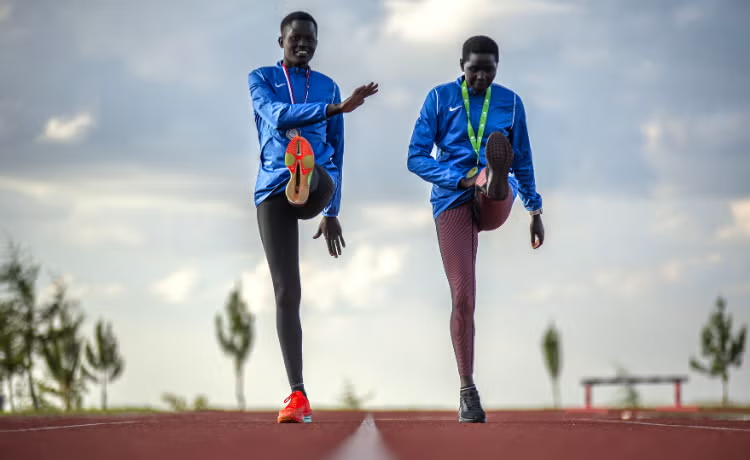
Efforts to end female genital mutilation in Uganda are gaining momentum through innovative approaches like sports development programmes.
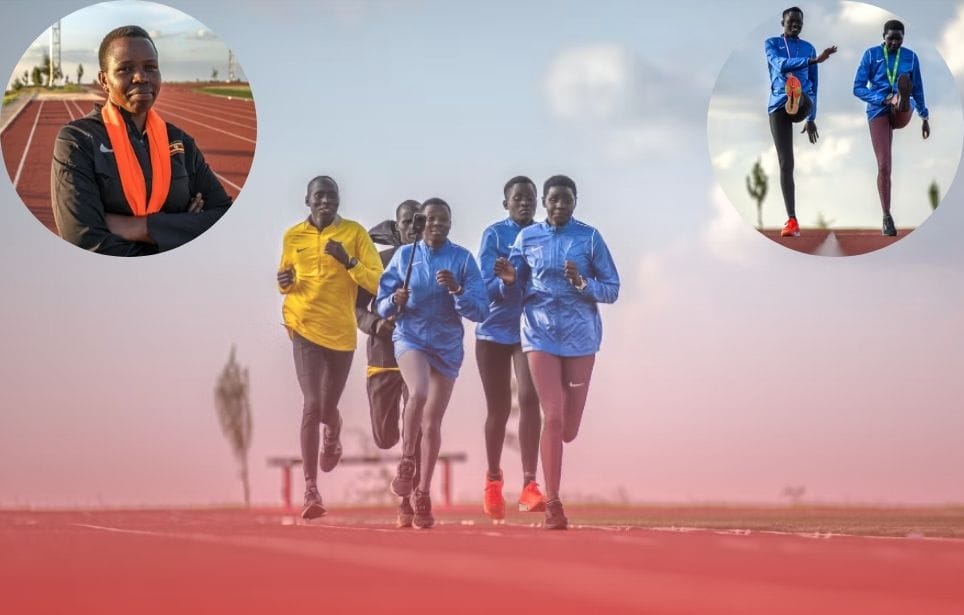
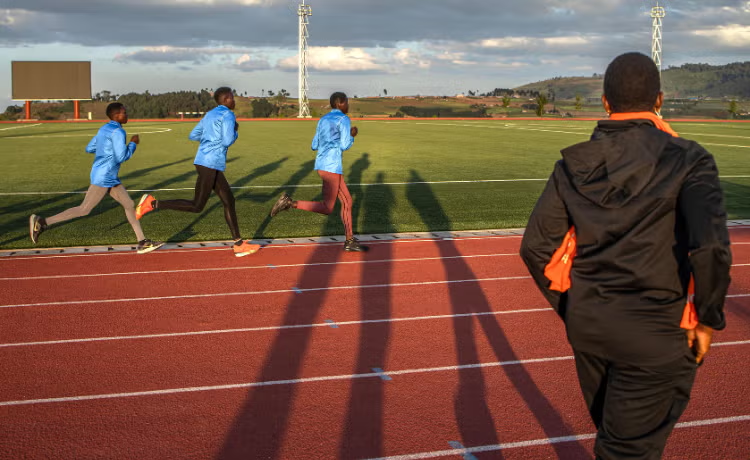
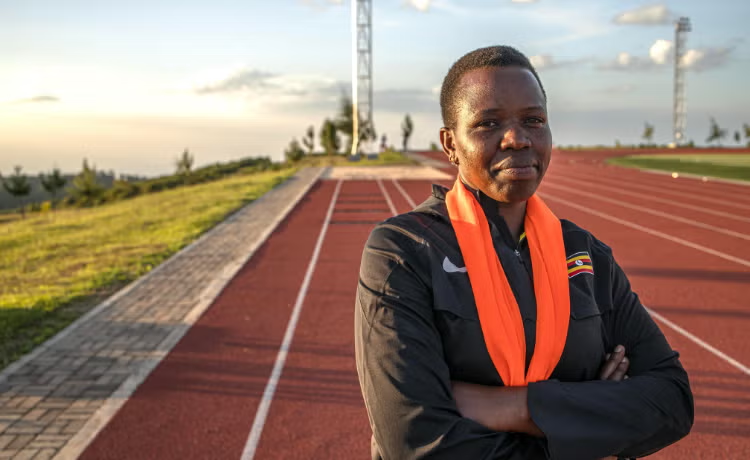
One inspiring example is a female coach working with the Joshua Cheptegei Development Foundation in partnership with UNFPA and UNICEF. Through athletics, girls are not only discovering their talents but also gaining awareness about their rights and personal safety.
Sports provide a safe environment where girls can speak freely about sensitive issues such as FGM, unsafe relationships, and societal pressure. For many, it is the first time they feel heard and supported.
From Running Tracks to Classrooms: Changing Lives
Each year, community events like Christmas runs bring together young people from across affected regions. From these events, selected girls receive educational sponsorships, helping them stay in school.
Without such opportunities, many of these girls would likely face female genital mutilation in Uganda, early marriage, or forced dropout from education.
As these girls succeed in athletics and academics, communities are beginning to rethink long-held beliefs. Parents are starting to see that empowering girls can uplift entire families and communities.
Breaking Barriers and Building Confidence
Beyond athletics, programmes addressing female genital mutilation in Uganda also focus on sexual and reproductive health education, personal safety, and psychosocial support.
Girls are taught about their rights and how to protect themselves from harmful practices. They also learn the importance of financial independence and education in making informed life choices.
However, success can sometimes bring new challenges. In some communities, independent and successful girls face pressure to abandon their dreams and conform to traditional roles.
Rising Safety Concerns for Female Athletes
The fight against female genital mutilation in Uganda also highlights broader issues of gender-based violence. The tragic death of Ugandan athlete Rebecca Cheptegei in 2024 raised concerns about the safety of women challenging societal norms.
As more girls gain independence through sports and education, they may become targets of backlash in communities that resist change. This makes awareness, protection, and support systems even more critical.
Sport as a Path to Freedom and Equality
For many advocates, the mission is clear: sports should empower, not endanger. Ending female genital mutilation in Uganda requires community-driven solutions that prioritize education, awareness, and support for girls.
Organizations like UNFPA and UNICEF continue to work with local partners to ensure girls can live free from violence, access accurate health information, and make decisions about their futures.
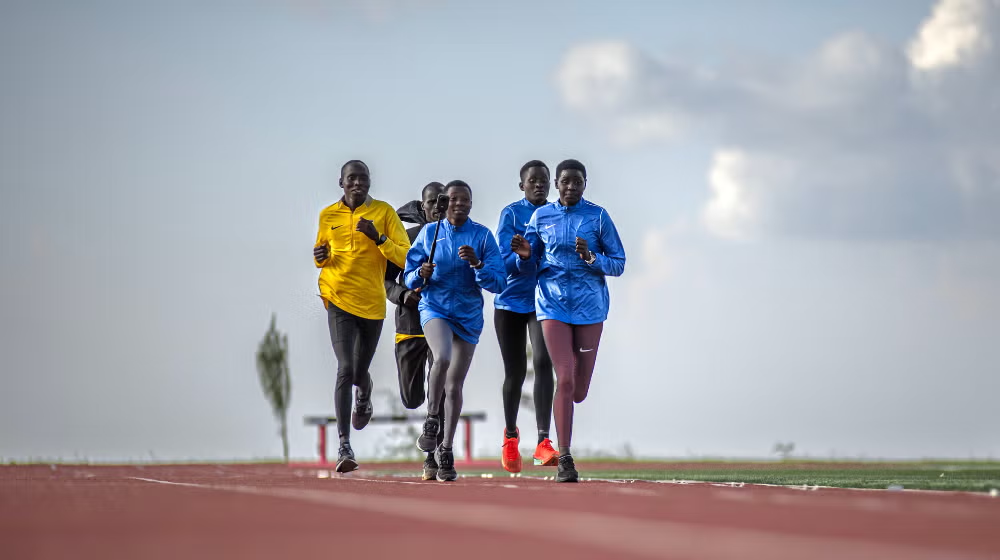
Through sports, education, and advocacy, girls in Uganda are not just running races — they are running toward freedom, equality, and a better life.
Conclusion
The fight against female genital mutilation in Uganda is far from over, but progress is visible. With the help of sports programmes and community support, young girls are gaining the courage to reject harmful traditions and pursue their dreams.
Change may be gradual, but every step forward brings hope for a future where no girl is forced into practices that limit her potential.