









In the early hours of Monday, April 13, troubling reports emerged from Borno State about a fresh blow to Nigerian troops fighting the long-running insurgency in the northeast. Nigerian Army transparency has come under renewed attention following recent incidents.

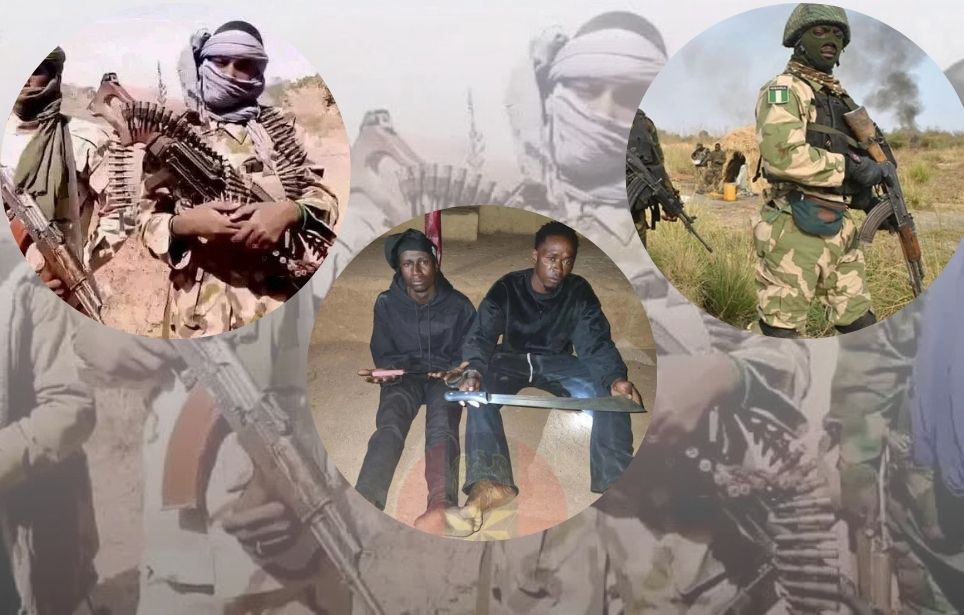
According to multiple sources, including soldiers on the frontline and local analysts, Boko Haram or its splinter faction ISWAP launched a coordinated overnight assault on a military forward operating base in Monguno on the night of April 12. The attackers targeted positions linked to the 242 Battalion, triggering fierce fighting as troops worked to repel the incursion.
Broader Implications and Nigerian Army transparency concerns
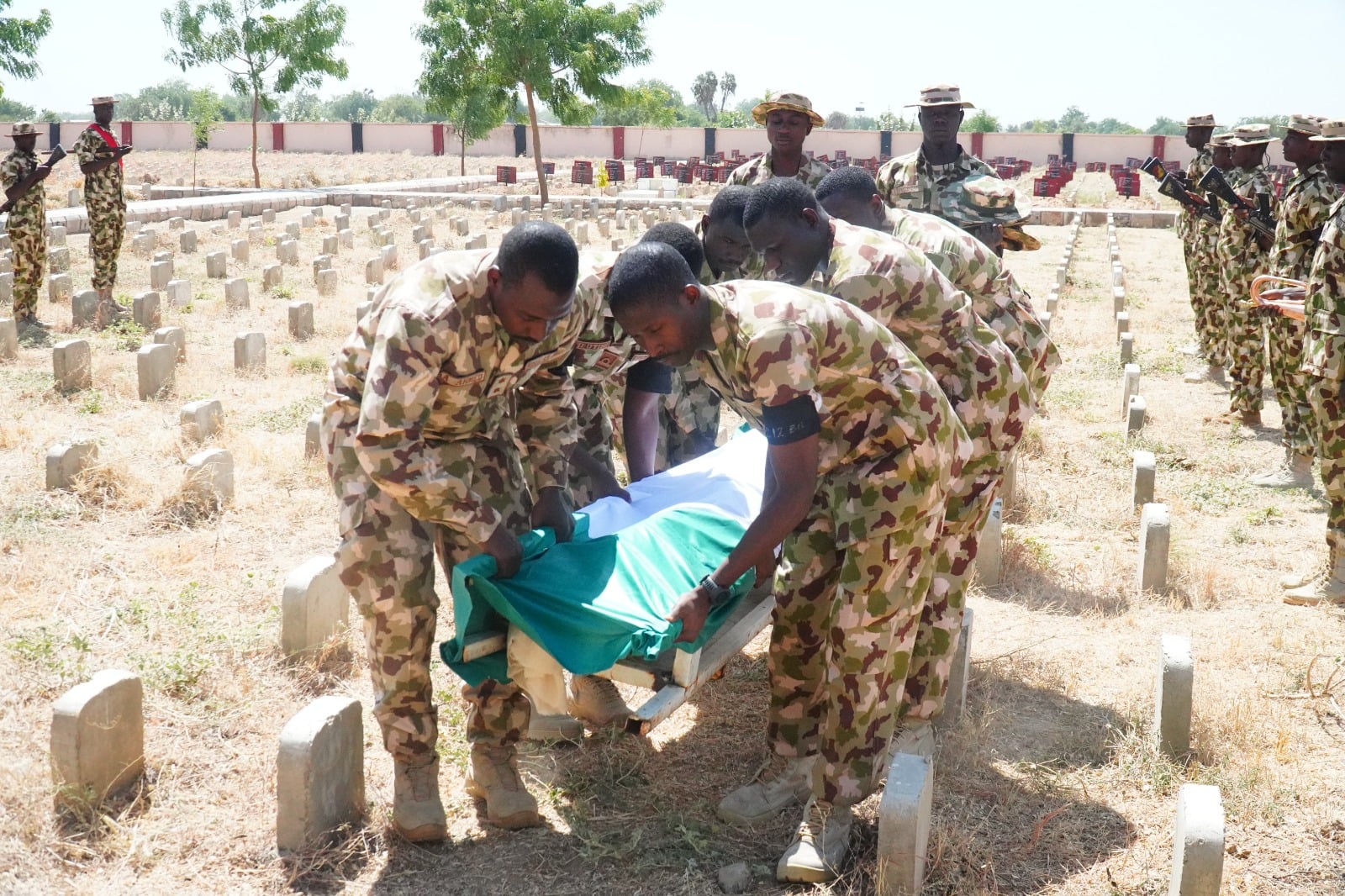
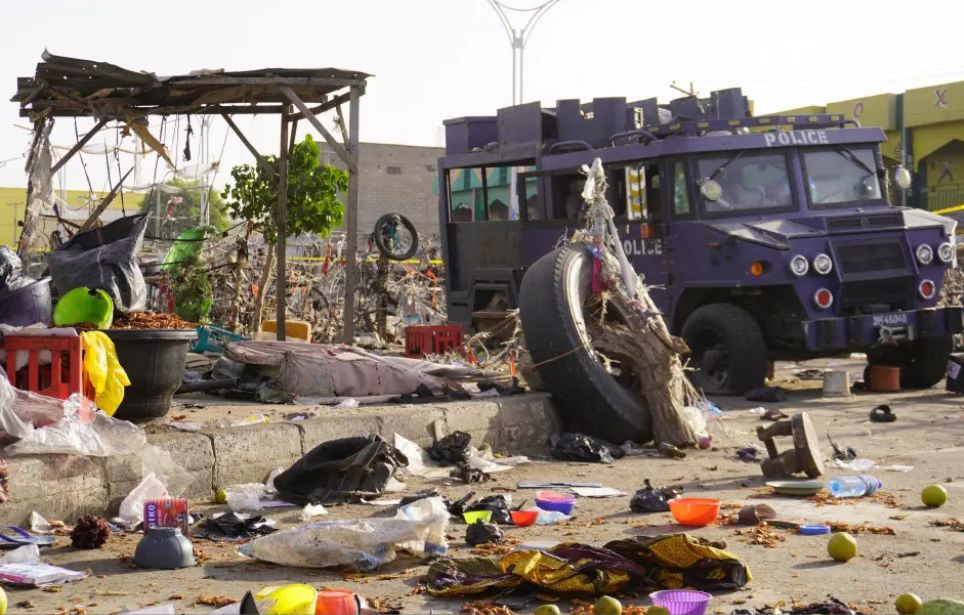
Tragically, Colonel I.A. Muhammad, a senior commander attached to the battalion, lost his life while leading reinforcements to support embattled soldiers. Accounts indicate that his convoy ran into an ambush, possibly involving a remotely detonated IED (improvised explosive device) planted along the route. Several other soldiers are reported to have been killed in the blast and subsequent clashes.
Details remain fluid, with some eyewitness-style reports suggesting additional casualties from a possible friendly fire incident. As troops called in air support to push back the militants, a responding Nigerian fighter jet is alleged to have struck a military vehicle (a VBL), killing at least four more soldiers. These claims are yet to be independently verified and highlight the chaos that often accompanies rapid-response operations in contested terrain.
The Nigerian Army is yet to issue an official statement confirming the deaths, consistent with its approach during active operations. In past incidents, the military has focused on highlighting enemy losses and the bravery of its personnel while providing limited immediate details on its own casualties.
A Pattern of High-Profile Losses
This incident comes just days after the death of Brigadier General O.O. Braimah, Brigade Commander of the 29 Task Force Brigade under Operation Hadin Kai. General Braimah was killed during a militant assault on a base in Benisheikh, Borno State, around April 9–10. The Defence Headquarters eventually confirmed his death along with other soldiers, describing the troops’ efforts as heroic in repelling the attackers.
These back-to-back losses of senior officers underscore the persistent threats posed by Boko Haram and ISWAP in the Lake Chad region. Despite repeated claims of technical degradation of the groups, they continue to demonstrate the ability to coordinate attacks on military formations, exploit intelligence gaps, and target reinforcing units.
Monguno, a strategically important town near Lake Chad, has long been a flashpoint in the 17-year conflict. The area has seen numerous ambushes, IED attacks, and attempts to overrun bases, often involving gun trucks, motorcycles, and improvised explosives.
Nigerian Army transparency is now a major concern among citizens.
Many Nigerians are calling for improved Nigerian Army transparency during military operations.
Improving Nigerian Army transparency may help build stronger trust between the military and citizens.
Broader Implications
The deaths raise renewed questions about:
- Intelligence and early warning systems in forward bases.
- The effectiveness of current counter-insurgency tactics amid evolving militant strategies.
- The human cost on troops and their families in a conflict that has claimed thousands of lives, displaced millions, and destabilized the northeast.
President Bola Tinubu and military leadership have in recent statements emphasized commitment to defeating the insurgency, with operations ongoing across Borno and neighboring areas.
As more information surfaces, Wheytindeyblog will continue to monitor developments. The Nigerian Army is encouraged to provide timely, transparent updates to honor the fallen and maintain public trust.
Our thoughts are with the families of Colonel I.A. Muhammad, Brigadier General O.O. Braimah, and all soldiers who have paid the ultimate price in the line of duty. May their sacrifices not be in vain.
The issue of Nigerian Army transparency continues to raise public concern.
What do you think? Share your views in the comments. Should the military adopt more open communication during such incidents? Follow for more updates on security and national issues.