










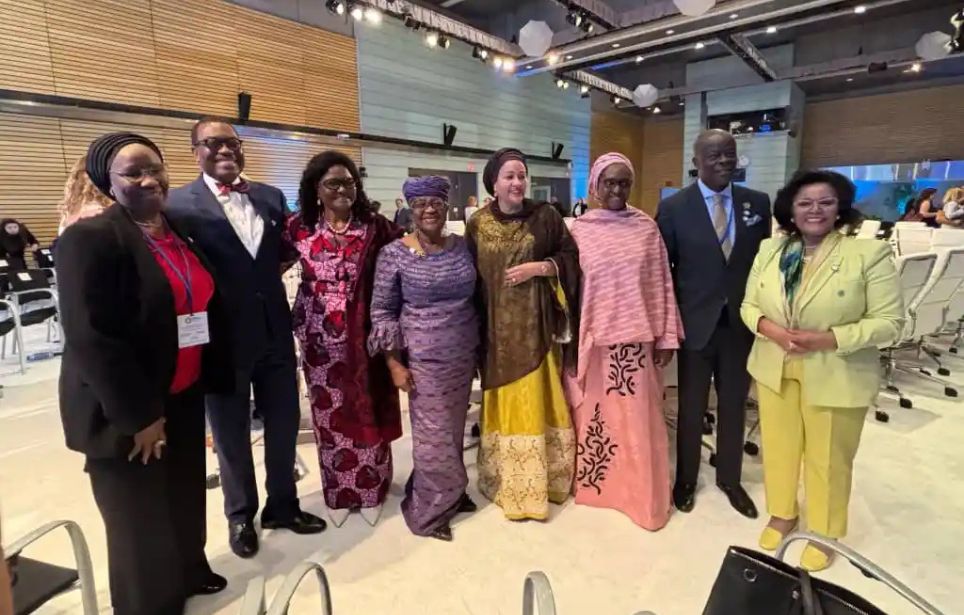
Nigeria IMF meeting is now a key focus as the Federal Government seeks cheaper funding.
The Nigeria IMF World Bank meeting has become a key focus as the Federal Government moves to secure cheaper funding and stronger global financial support amid rising economic pressure.
The government says global tensions and inflation are affecting Nigeria’s economy, making urgent financial strategies necessary.
Nigeria IMF Meeting and Funding Plans
Ahead of the Nigeria IMF World Bank meeting in Washington, DC, the Federal Government has outlined plans to push for lower borrowing costs.
According to a statement by Dr Ogho Okiti, the government wants fairer global financial conditions to ease fiscal pressure and support economic stability.

Nigeria IMF World Bank Meeting and Global Crisis Impact
The Nigeria IMF World Bank meeting comes at a time of global uncertainty. The ongoing US–Israel–Iran conflict has disrupted energy markets and increased inflation.
As a result:
- Fuel prices have risen sharply
- Food costs continue to increase
- Businesses face higher operating costs
These challenges are putting more pressure on households across Nigeria.
Nigeria IMF Meeting and Global Economic Impact
Oil prices have surged due to global tensions. Nigeria’s Bonny Light crude has jumped from about $70 to over $110 per barrel.
However, the government noted that:
- Petrol prices rose by over 50%
- Diesel prices increased by more than 70%
So, while revenue may increase, local costs are also rising significantly.
Nigeria IMF meeting comes at a critical time for the economy.

Nigeria IMF World Bank Meeting and Capital Flow Challenges
Another major issue discussed ahead of the Nigeria IMF World Bank meeting is capital flow.
Many experts say the Nigeria IMF meeting will shape future policies.
Due to global risks:
- Investors are moving funds to safer markets
- Emerging economies like Nigeria face reduced inflows
- Financial conditions are tightening
In addition, rising shipping and import costs are worsening inflation.
The outcome of the Nigeria IMF meeting is important for Nigeria’s growth.
Nigeria IMF World Bank Meeting and Economic Reforms
Despite these challenges, the government says Nigeria is in a stronger position than before.
Recent reforms include:
- Foreign exchange market liberalisation
- Removal of fuel subsidies
- Improved oil production to 1.86 million barrels per day
These steps are helping to stabilise the economy.
Nigeria IMF World Bank Meeting and Future Economic Plans
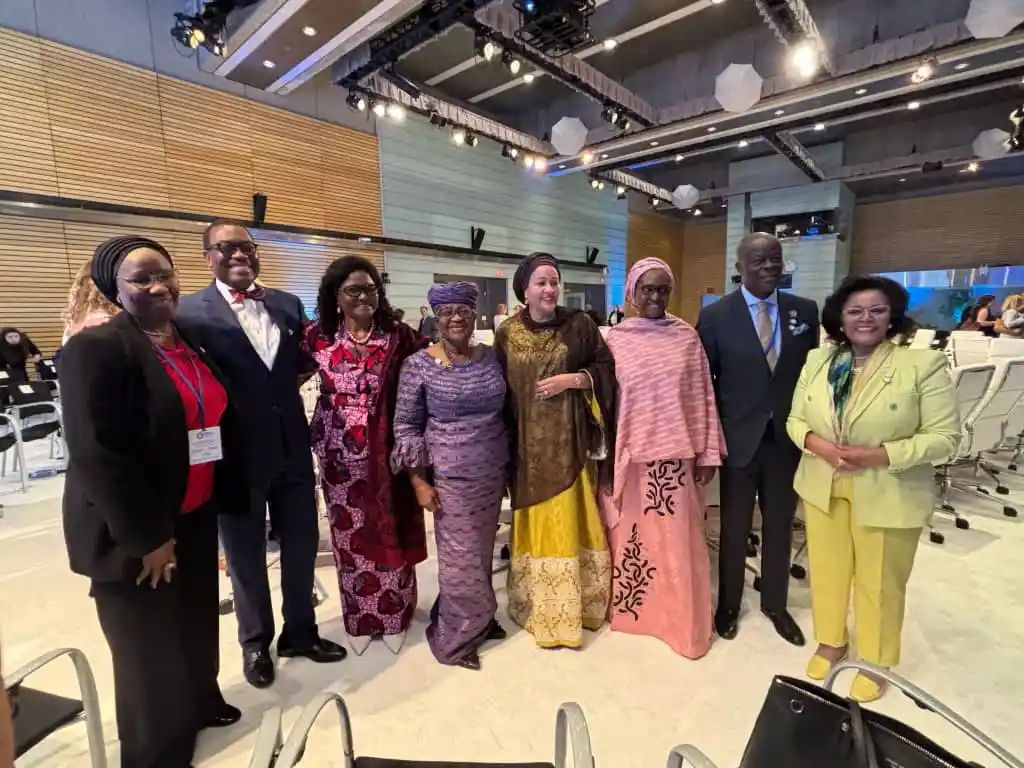
At the Nigeria IMF World Bank meeting, Wale Edun is expected to engage with global investors and financial institutions.
The focus will be on:
- Attracting investments
- Strengthening investor confidence
- Expanding domestic capital markets
The government also plans to drive job creation and inclusive growth.
Nigeria IMF World Bank Meeting and Government Outlook
Looking ahead, the government remains committed to maintaining stability and supporting economic growth.
It aims to:
- Reduce poverty levels
- Improve human capital
- Strengthen social protection systems
Final Thoughts on Nigeria IMF World Bank Meeting
In conclusion, the Nigeria IMF World Bank meeting is a crucial step as the Federal Government seeks solutions to current economic challenges.
With rising global pressure, securing cheaper funding and attracting investment will be key to Nigeria’s economic future.