









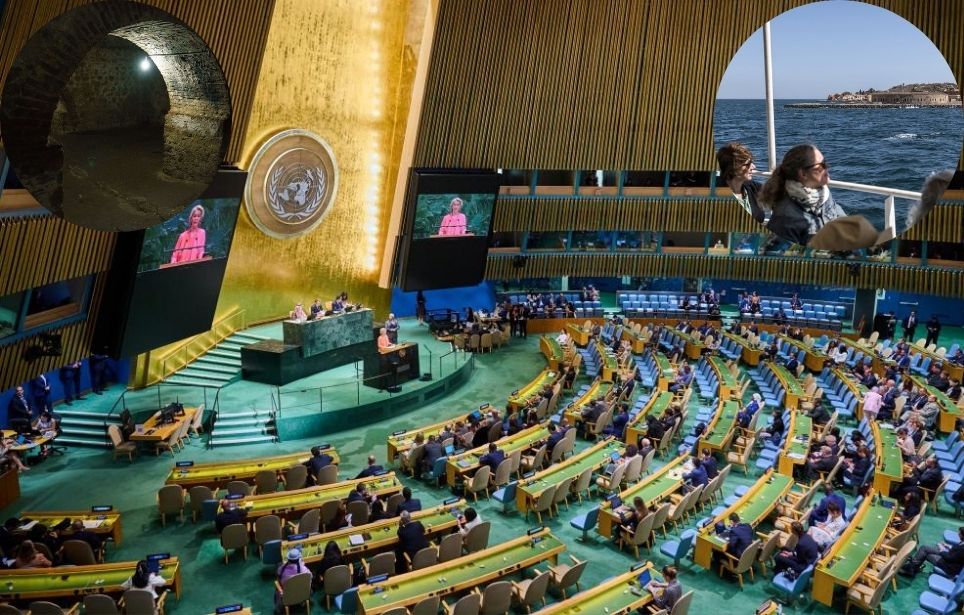
The UNGA reparations resolution has marked a historic moment as the United Nations General Assembly officially declared the transatlantic slave trade one of the gravest crimes against humanity.
The move signals a global push toward justice, accountability, and recognition of the lasting impact of slavery on millions of Africans and their descendants.
🌍 What the UNGA Reparations Resolution Means
The UNGA reparations resolution calls on countries around the world to begin meaningful discussions on reparations for the transatlantic slave trade.
Key proposals include:
- Formal apologies from involved nations
- Financial compensation
- Return of stolen cultural artifacts
- Guarantees to prevent future injustices
This development is widely seen as a bold step toward addressing centuries of inequality.
⛓️ History Behind the Transatlantic Slave Trade
The UNGA reparations resolution highlights the scale of suffering caused by the transatlantic slave trade, which lasted for over four centuries.
An estimated 10 to 12 million Africans were forcibly transported across continents under brutal conditions.
Many were captured through:
- Wars and raids
- Kidnapping and deception
- Violent coercion
The trade formed part of a global system that connected Europe, Africa, and the Americas in what was known as the triangular trade.
🚢 Brutal Conditions and Massive Loss of Life
According to the UNGA reparations resolution, enslaved Africans endured horrific conditions during transit.
- Ships were overcrowded and disease-ridden
- Mortality rates ranged between 15% and 25%
- Millions died before even reaching their destinations
Countries like Portugal and Brazil transported the highest number of enslaved Africans, followed by Britain, France, Spain, and the United States.
🗣️ UN Leaders React to the Reparations Resolution
Reacting to the development, António Guterres described slavery as a system built on greed, violence, and exploitation.
He called for:
- Ending systemic racism
- Promoting inclusive development
- Ensuring equal access to opportunities globally
Similarly, Annalena Baerbock emphasized that the legacy of slavery still affects societies today and must be addressed.
⚖️ Why the UNGA Reparations Resolution Matters Today
The UNGA reparations resolution is not just about the past — it is about shaping a fairer future.
Experts believe the resolution will:
- Strengthen global conversations on justice
- Address systemic inequality
- Promote human rights protections
It also reinforces the principles of the United Nations Charter and the Universal Declaration of Human Rights.
📚 A Call for Education, Justice, and Accountability
At its core, the UNGA reparations resolution urges nations to acknowledge history while taking concrete steps toward healing.
This includes:
- Educating future generations
- Ensuring accountability
- Preventing similar human rights violations
The resolution represents a growing global demand for justice and recognition.
🔥 Final Thoughts
The UNGA reparations resolution stands as a powerful reminder that the effects of the transatlantic slave trade are still felt today.
By officially recognizing it as a crime against humanity, the global community is taking an important step toward justice, healing, and equality for all.